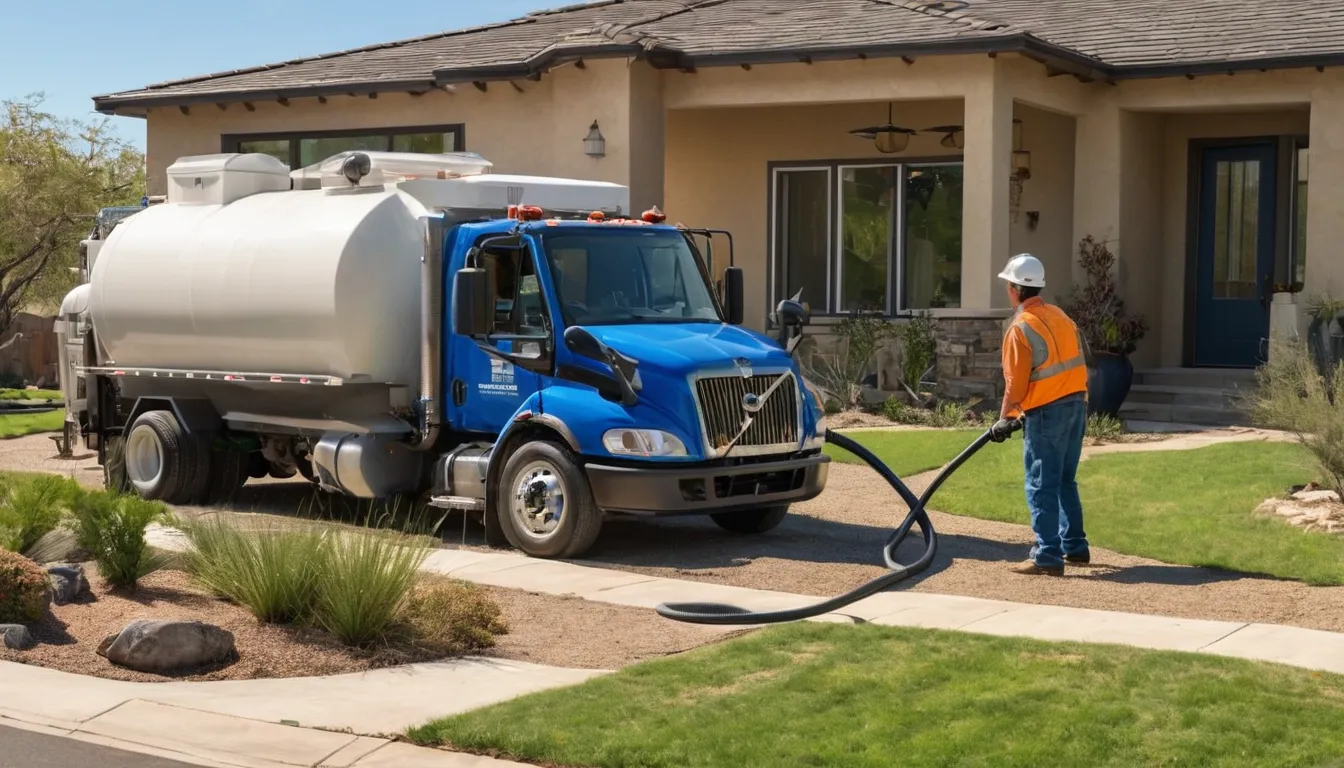
A septic tank works a bit like a kitchen sink strainer. It catches the heavy stuff so clean water can move on. Over time the catch builds up, and someone has to empty it. That job is septic tank pumping, and it is the simplest way to keep a system healthy.
Bearsuniversity Septic is a referral service. We explain the signs, the options and the usual next steps in plain words. Then we connect you with an independent provider in the Orange area who does the pumping. You stay in charge of every choice, and the goal is a system that protects your home and its value.
Signs Your Tank Is Full or Overdue
Picture a bathtub with a drain that has slowed to a trickle. Water still leaves, but not fast enough. A full septic tank behaves the same way. Here is what many homeowners notice first:
- Sinks, tubs and toilets drain slowly.
- Pipes gurgle when the washing machine runs.
- A sewage smell hangs around the yard or near the tank lid.
- Grass over the tank or drainfield looks unusually green or the ground feels soggy.
- Water or waste backs up into the drain on the bottom floor of the house.
One sign alone may have another cause. Several together usually point to a tank that needs attention.
When to Treat It as an Emergency
If sewage is coming up inside the house, stop using water. Skip the dishwasher, laundry and showers. Keep children and pets away from wet floors and standing water in the yard. Emergency septic cleaning is the term providers use for this kind of urgent pump-out. Many providers can respond quickly, but availability changes with the day and the season. Request a callback to check provider availability.
Why Tanks Fill Up
Think of a pot of soup left to settle. Heavy bits sink, grease floats, and a fairly clear layer sits in the middle. Inside your tank, the sinking layer is sludge and the floating layer is scum. Bacteria break down some of it, but not all. The leftovers pile up year after year until the clear middle layer gets squeezed too thin. Then solids can slip toward the drainfield, where they do real harm.
Why Regular Pumping Matters
A drainfield is like a sponge in the soil. It soaks up and filters the water leaving your tank. If the sponge gets clogged with solids, it cannot dry out and recover. Drainfield repair is a bigger, costlier job than pumping, so emptying the tank on schedule is the cheaper habit to keep. Homes on private wells have another reason to care. A failing system can affect the ground around the well, and a provider who does water well service can advise on testing if you have any worry.
How Often Should You Pump?
Many households land somewhere between every three and five years. Your own number depends on tank size, how many people live in the home and how much water you use. A larger family with a small tank needs pumping sooner. Older tract homes and bungalows sometimes have smaller or older tanks, so ask the provider what size yours is. Timing matters too. After a long dry season the soil is ready to absorb water again, but heavy winter rain can saturate a drainfield. Many homeowners schedule pumping before the wet months arrive.
What Happens During a Pumping Visit
Think of it like a deep clean of a cooler. Everything comes out, and then you take a look inside. A typical visit goes like this:
- The provider finds the tank and uncovers the lid or lids.
- A hose and truck pull out the liquid, scum and sludge.
- The provider checks the baffles, the walls and the water level markings.
- Any filter is rinsed or noted for replacement.
- The lids are secured and you get a summary of what was seen.
Most visits take an hour or two, depending on tank size and access.
Know Your Options
A pump-out is not the only choice. Like picking a tune-up level for a car, you can add things as needed.
- Pumping only: the basic empty-out of the tank.
- Pumping with an inspection: adds a closer look at the baffles and the tank condition.
- Risers and lids: raise the access point so future visits need less digging.
- Filter service: cleaning or replacing the outlet filter if your tank has one.
- Locating the tank: helpful if the lid is buried under lawn or landscaping.
Ask the provider which of these make sense for your tank before work starts.
Pumping and Inspections
Emptying the tank gives a rare chance to see inside. It is like looking under the hood when the engine is cool. A provider can spot cracks, worn parts or signs that liquid is flowing back from the drainfield. Catching a small problem early often keeps it small. If something needs a bigger fix, you will know your options before any decision is made.
Buying or Selling a Home With a Septic System
A clean service record is like a stamped maintenance book on a used car. It reassures buyers and often helps a sale move along. If you are selling, a recent pump-out and inspection can answer questions early. If you are buying, ask for the records and consider an inspection of your own. Lenders and agents in many areas expect septic details, so being prepared protects the home and its value.
Caring for Your System Between Pumpings
A septic system is a small, quiet ecosystem, so treat it gently like a garden.
- Spread laundry loads across the week instead of doing them all in one day.
- Fix leaking toilets and dripping faucets.
- Put only toilet paper in the toilet.
- Keep grease, wipes and coffee grounds out of drains.
- Keep cars, sheds and deep-rooted trees off the tank and drainfield.
- Write down each service date and keep the notes.
Questions to Ask the Provider
- What size is my tank, and how full is it?
- Will you open every lid, not only the nearest one?
- Is an inspection part of the visit?
- What does the written quote include?
- Do you see anything that may need repair later?
- Can you give me a service record afterward?
Your Next Step
Start by noting your symptoms and the last time the tank was emptied. With that in hand, a local provider can explain what to expect and give a written quote. Explain, then act.
What's Included
Full Pump-Out
A truck and hose remove liquid, scum and sludge from every compartment of the tank.
Baffle Check
The provider looks at the inlet and outlet parts that keep solids in place.
Lid and Access Review
Lids, risers and openings are checked so the tank can be reached and closed safely.
Service Summary
You get a plain description of what was found, useful for your records or a future sale.
Typical Septic Pumping Costs
Prices vary by tank size, access, local disposal fees and how urgent the visit is. The ranges below are typical U.S. figures, not quotes. Always ask for a written quote before any work begins.
| Item | Typical range | Notes |
|---|---|---|
| Routine pump-out, standard tank | $300 – $600 | Common for 1,000-gallon tanks |
| Larger or multi-compartment tank | $500 – $900 | More volume takes more time |
| Urgent emergency cleaning visit | $400 – $1,000 | Depends on timing and travel distance |
| Pumping with inspection | $350 – $700 | Adds a look at baffles and tank walls |
| Riser and lid installation | $300 – $900 | Makes later access easier |
| Filter cleaning or replacement | $75 – $300 | Only for tanks with an outlet filter |
How It Works
Describe the Problem
Note slow drains, odors or backups, plus the last time the tank was pumped, so the provider can prepare.
Check Provider Availability
Request a callback to learn which providers can visit and how soon they might arrive.
Review the Written Quote
Read what is included, ask about extras like risers or inspection, and decide at your own pace.
Keep the Service Record
Save the summary after the visit and set a reminder for the next pumping.
Why Call Bearsuniversity Septic
Plain Explanations
We describe causes, options and next steps in simple words, so you understand the job before anyone starts.
Options First
You hear the realistic choices and can ask questions without pressure or confusing jargon.
Local Providers
Independent providers in your area do the actual work and know local soil and weather.
Protect the Home
Proper upkeep helps the home stay sound and keeps its value for any future sale.
Other Services
Need septic tank pumping in Orange?
Request a callback to check provider availability, or send an estimate request. Tell us what you are noticing and we will point you toward a local provider.
No obligationSeptic Tank Pumping FAQ
How do I know if my septic tank needs pumping?
Slow drains, gurgling pipes, sewage odors, soggy ground over the tank or backups are common signs. If you cannot recall the last pumping, many providers suggest scheduling one soon.
How often should a septic tank be pumped?
Many households pump every three to five years. Tank size, number of people at home and water use change that schedule, so ask a local provider what fits your system.
Can I use my plumbing while the tank is full?
It is wise to cut back on water use and avoid laundry and long showers until a provider can pump the tank.
Request a callback
Request a callback to check provider availability, or send an estimate request. Tell us what you are noticing and we will point you toward a local provider.
No obligation